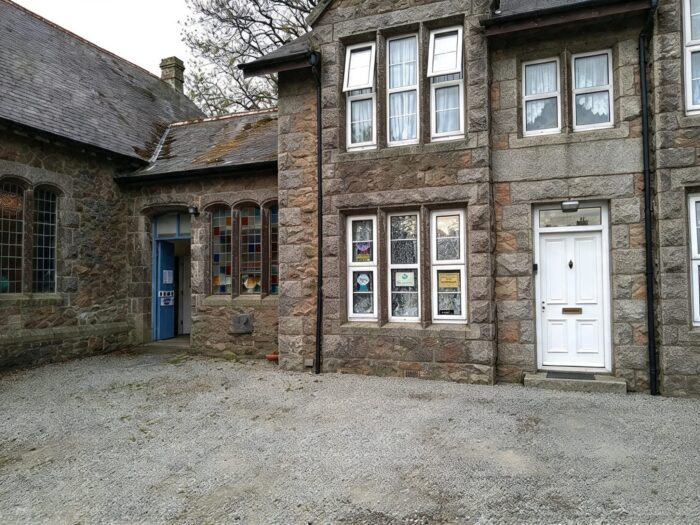
There’s something special about an older Cornish property. Granite walls, slate roofs, deep window reveals and quirky little corners give these homes a character that modern houses can struggle to match.
But living in an older property can also bring a few surprises. Cornwall’s damp climate, driving rain and salty coastal air can all take their toll, and some problems aren’t always obvious until they become difficult to ignore.
Here are a few things worth knowing if you own an older home in Cornwall.
1. Damp doesn’t always mean there’s a serious problem
Damp is one of the biggest concerns for owners of older properties, but it isn’t always caused by a major structural fault.
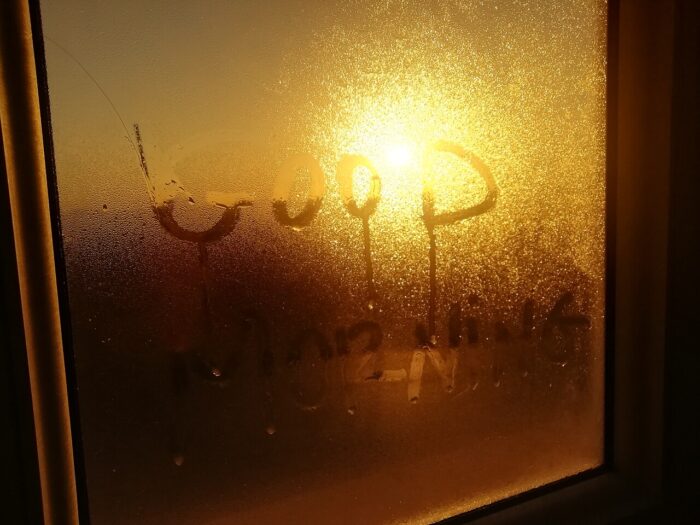
Condensation can build up when warm, moist air meets cold surfaces, particularly around windows, external walls and behind furniture. Leaking gutters, damaged pointing and defective roof coverings can also allow water into a building.
The important thing is to establish the cause before spending money on a solution. Painting over a damp patch might improve its appearance temporarily, but it won’t fix the underlying problem.
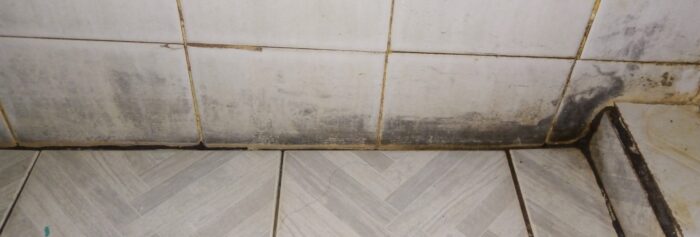
If damp keeps returning, or you notice persistent musty smells, crumbling plaster or unexplained staining, it may be worth getting an experienced professional to investigate.
A simple way to absorb excess moisture
Moisture absorbers can be useful in smaller spaces such as cupboards, wardrobes, spare rooms and areas that tend to feel a little musty.
I used to sell these in my hardware shop, and they can be a handy addition to your winter home maintenance kit. They collect moisture from the air without needing electricity, making them convenient for places where a full-size dehumidifier isn’t practical.
Just remember that Moisture absorbers have their limits. They won’t solve the underlying cause of serious damp, so persistent problems should always be investigated.
This article contains an affiliate link. If you buy through it, we may earn a small commission at no extra cost to you and it keeps our website free to all.
2. Solid stone walls behave differently
Many traditional Cornish properties have solid stone walls rather than the cavity walls found in many modern homes.
These walls can respond differently to moisture and temperature. Some older buildings were constructed using materials that allow moisture to move through the structure and evaporate naturally.
Modern cement-based renders, unsuitable pointing or impermeable coatings can sometimes interfere with that process. This doesn’t mean every old building needs its cement removed, but repairs should suit the construction of the property.
If repointing or rendering is needed, look for a tradesperson with experience of traditional buildings rather than assuming the newest materials are always the best choice.
3. Roofs and chimneys deserve attention
A slate roof can last for many decades, but individual slates, fixings and flashings can eventually fail.
Chimneys are another area worth keeping an eye on. Damaged pointing, loose masonry and defective flashing around the base can allow water to enter.
You might not notice a problem from inside the house until staining appears on a ceiling or upper wall. A visual inspection from ground level can sometimes reveal obvious damage, but roof work should be left to appropriately qualified professionals.
Keeping gutters clear and dealing with minor defects early can help prevent more expensive repairs later.
4. Rainwater has to go somewhere
Cornwall can experience prolonged periods of wet weather, and older properties often have rainwater systems that have been altered or repaired over many years.
Blocked gutters, leaking joints and downpipes that discharge too close to the walls can leave masonry repeatedly wet.
Check for overflowing gutters during heavy rain if it’s safe to do so, and look for obvious leaks or water collecting beside the building.
Ground levels also matter. Soil, paving or garden beds built up against external walls can sometimes bridge damp-proof courses where these are present, or hold moisture against the masonry of older buildings.
Persistent problems deserve a closer look rather than a quick cosmetic fix.
5. Old windows can be full of character
Traditional timber sash and casement windows are often a beautiful feature of older Cornish homes, but they can need regular maintenance.
Peeling paint, decaying timber, draughts and damaged putty can all allow problems to develop. Salt air can accelerate corrosion on metal fittings near the coast.
Repairing original windows may be possible and can preserve the character of the building. Draught-proofing can also improve comfort without necessarily replacing the whole window.
If replacement is being considered, check whether the property is listed or subject to conservation-area restrictions before making changes.
6. Older homes can be harder to heat
Thick stone walls don’t automatically make a house warm. Older properties may have draughty windows, suspended timber floors, uninsulated roofs or heating systems that have been adapted over time.
The right improvements depend on how the building is constructed and how moisture moves through it. Insulation can be beneficial, but poorly chosen products or badly installed work can create new problems.
Before committing to substantial improvements, consider getting advice from someone experienced in traditional buildings. A whole-house approach is usually more sensible than treating each issue in isolation.
7. Know when to call in a specialist
Some maintenance is straightforward, but older buildings can hide problems that aren’t easy to diagnose by sight alone.
If you have recurring damp, cracking masonry, persistent roof leaks or timber decay, look for a professional with relevant experience and ask them to explain the likely cause before recommending work.
For significant repairs, it can be sensible to obtain more than one quotation and check what each one includes. A clear diagnosis is often more valuable than the cheapest quick fix.
A little care goes a long way
Older Cornish properties have survived for generations, and many will continue to do so with sensible maintenance and repairs suited to their construction.
The trick is to understand the building you have, keep an eye on the parts exposed to the weather, and investigate recurring problems before they become more serious.
And if you’ve discovered a particular quirk of owning an older Cornish home, we’d love to hear about it. There are plenty of old houses across Cornwall, and their owners often have useful experience to share.
Our Business Directory is free and here: Business Links
Discover more from Cornwall Home & Garden
Subscribe to get the latest posts sent to your email.
Some useful tips and good information here.
Thank you much appreciated. Ken @ Cornwall Home & Garden.