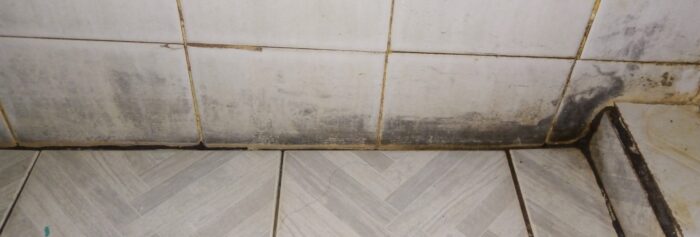
Found black mould appearing on a wall, around a window or behind the furniture? Cleaning it off is only half the job. If you don’t deal with what’s causing the moisture, there’s a good chance it’ll simply come back.
Mould loves damp conditions, which makes it a familiar problem in homes here in Cornwall, particularly during the colder months.
The good news is that small areas of mould can often be dealt with yourself. The important thing is to remove it safely and then work out why it appeared in the first place.
What Causes Mould on Walls?
Mould needs moisture to grow.
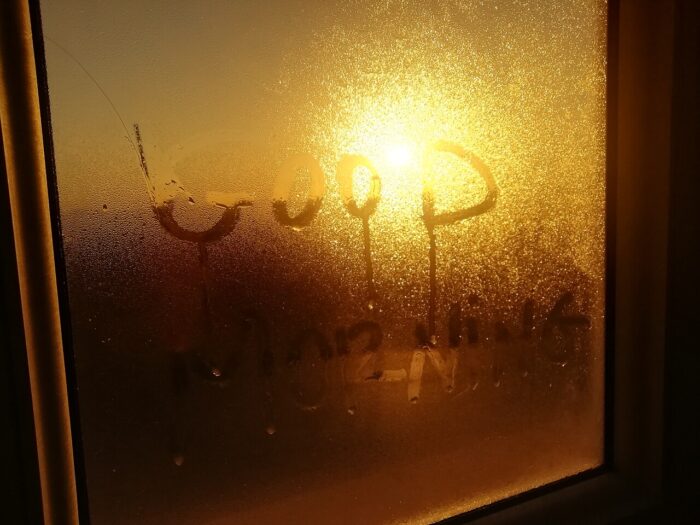
One of the most common causes is condensation. Everyday activities such as cooking, showering, drying washing and even breathing release moisture into the air. When that moisture reaches colder walls, windows or corners, condensation can form and create ideal conditions for mould.
But condensation isn’t the only possibility.
Leaking gutters, damaged roof tiles, cracked render, faulty window seals, plumbing leaks or other building problems can also cause damp.
That’s why it’s important to find the cause rather than repeatedly cleaning the same patch.
How to Remove a Small Area of Mould
For a small amount of surface mould, use a suitable mould and mildew cleaner and follow the manufacturer’s instructions.
Wear protective equipment such as gloves, a mask and eye protection, keep the door closed while cleaning to help prevent spores spreading to other rooms, and have the window open during and after cleaning.
Use a cloth or sponge rather than vigorously brushing the mould, then allow the surface to dry completely.
We were once advised by a builder not to simply reach for the bleach when dealing with mould. That was good advice. Current government guidance recommends using an appropriate mould and mildew product rather than bleach. More importantly, whatever you clean it with, the mould is likely to return if you don’t deal with the moisture that’s causing it.
Don’t Just Paint Over It
It’s tempting.
You’ve got an ugly black patch on the wall, there’s half a tin of white paint in the shed, and five minutes later nobody will know it was there.
Unfortunately, the mould probably will. 😄
If the wall is still damp or the underlying problem hasn’t been solved, simply painting over it isn’t a permanent solution.
Once the mould has been properly removed, the cause dealt with and the wall allowed to dry, the area can be redecorated. Cornwall Council also suggests considering anti-mould or moisture-blocking paint in problem areas.
How Do You Stop Mould Coming Back?
This is the important bit.
Improve ventilation by using extractor fans in kitchens and bathrooms, keeping trickle vents unobstructed and periodically opening windows. Try to avoid drying washing indoors where possible, or make sure there is adequate ventilation when you do.
Also check behind wardrobes, sofas and other large furniture, particularly where they’re against outside walls. Leaving some space for air circulation can help prevent cold, damp pockets developing.
Keeping the home reasonably and consistently heated can also help by reducing cold surfaces where condensation forms.
What If the Mould Keeps Returning?
That’s when you need to investigate further.
If you’ve improved ventilation and controlled condensation but the same area keeps becoming damp, look for another source of moisture.
Check for things such as leaking gutters, damaged roofing, cracks outside, faulty seals and plumbing leaks.
Persistent or extensive mould may need professional investigation and treatment. Government guidance specifically recommends that larger areas of mould are dealt with by qualified professionals.
What About Mould Behind Wallpaper or Furniture?
A musty smell without obvious mould can sometimes indicate growth hidden behind wallpaper, furniture, carpets or other surfaces.
Be careful about disturbing suspected hidden mould because pulling away wallpaper or carpet can release spores into the air. Government guidance recommends seeking professional advice where there are concerns about significant hidden mould.
The Cornwall Home & Garden Tip
Don’t just fight the mould, fight the moisture.
Removing the black marks makes the wall look better, but finding out why that wall became damp is what stops you having to do the same job again a few weeks later.
If condensation is part of your problem, we’ve also got these guides:
👉 How to Stop Condensation on Windows in Cornwall
👉 Why Does Cornwall Get So Damp?
Have you battled mould in your Cornwall home? What finally stopped yours coming back? Let us know in the comments. 👇
Ken @ Cornwall Home & Garden 🏡🌿
Discover more from Cornwall Home & Garden
Subscribe to get the latest posts sent to your email.