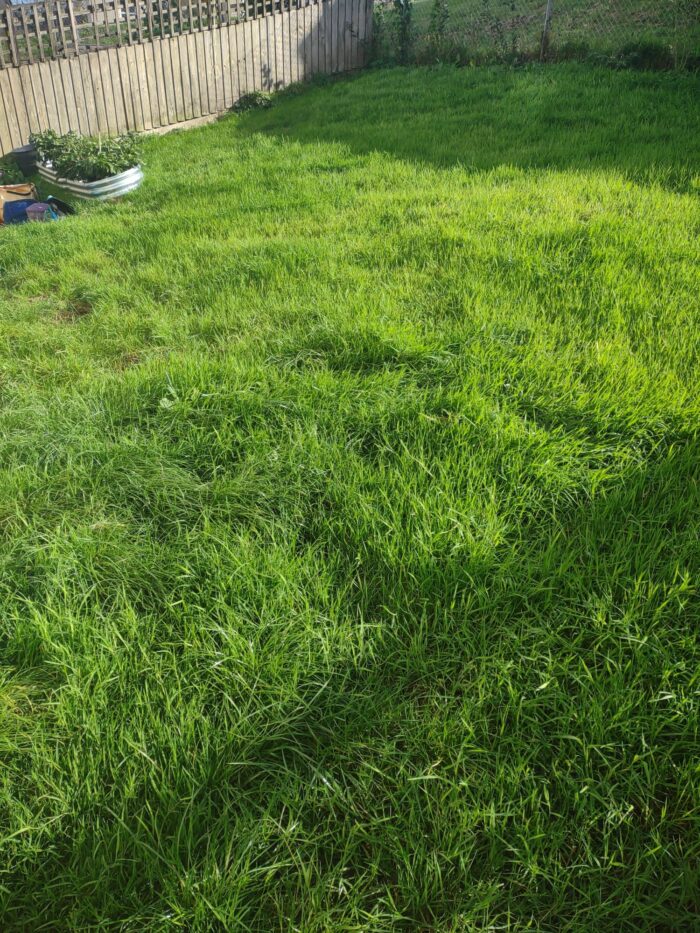
Cornwall’s mild winters can be kind to our gardens, but the combination of rain, damp soil and the occasional cold snap can make life difficult for our lawns.
If your grass turns soggy, develops muddy patches or becomes covered in fallen leaves, a little preparation now can help it come through winter in better condition.
The good news is that you don’t need expensive equipment or lots of lawn treatments. A few simple jobs can make a real difference.
1. Give the lawn a final tidy-up
October and November are good months to tidy your lawn before winter sets in properly.
Remove fallen leaves regularly, particularly after windy weather. A thick layer of wet leaves blocks light and air from reaching the grass, leaving it more vulnerable to damage.
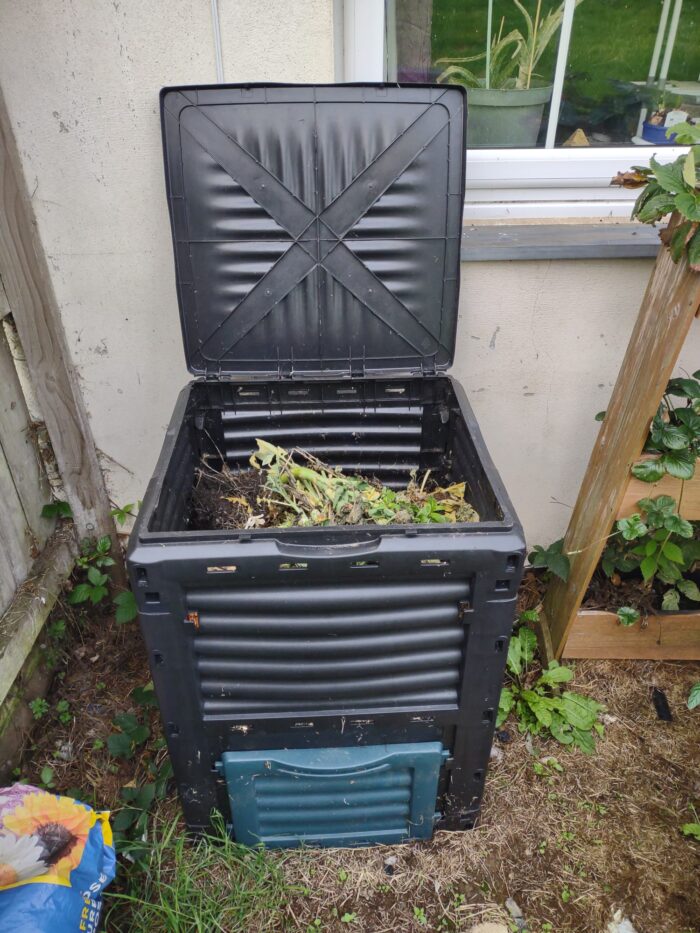
Don’t throw those leaves away, though. They can be used to make leaf mould for your garden or added to your compost heap.
Pick up fallen branches and other debris too, so the grass has a better chance of staying healthy through the wetter months.
2. Don’t stop mowing too early
Cornwall’s relatively mild weather means grass can continue growing well into autumn and sometimes through winter.
If the weather is mild, the ground is reasonably dry and the grass is still growing, you can continue mowing when necessary.
Raise the mower blades slightly compared with your summer setting, and avoid cutting the grass too short. Longer grass is generally better able to cope with winter conditions.
Never mow when the lawn is waterlogged, frozen or covered in frost. You risk damaging the grass and compacting the soil, making drainage problems worse.
When growth finally slows down, give the mower a rest until conditions improve.
3. Watch out for waterlogged patches
This is one of the biggest challenges for many Cornish gardens during winter.
Heavy rain can leave lawns squelchy underfoot, with puddles forming in dips or areas where the soil drains poorly. Walking repeatedly across these patches can compact the soil and cause further damage.
Try to keep off the lawn when it is saturated, especially in places where you regularly walk to the shed, greenhouse or washing line.
If a particular route becomes muddy every winter, consider putting down a few stepping stones. It can save a lot of damage and make getting around the garden easier.
For persistent drainage problems, the answer may be to improve the soil or investigate more substantial drainage measures.
4. Help the soil breathe
Compacted soil makes it harder for air and water to move around the grass roots.
If your lawn has compacted areas, autumn can be a useful time to improve them, provided the soil is moist rather than waterlogged.
On a small lawn, you can use a garden fork to make holes in the affected areas. Push the fork into the soil, then gently rock it backwards and forwards to open the holes slightly.
Concentrate on places that receive heavy foot traffic or where water tends to collect.
However, if the lawn is already saturated, leave the job until conditions improve. Working wet soil can make compaction worse.
“Is it worth aerating the lawn?”
A simple tool for small lawns
If your lawn suffers from compacted soil, lawn aerator shoes are one option to consider. Metal Lawn Aerator Shoes have spikes on the soles, allowing you to make holes in the ground as you walk.
They’re worth considering for smaller lawns, although they aren’t suitable for every situation. Avoid using them when the soil is waterlogged, as walking across saturated ground can cause further compaction. They may also be less effective than a garden fork or a dedicated hollow-tine aerator where compaction is severe.
You can find them here: Metal Lawn Aerator Shoes.
This article contains an affiliate link. If you buy through it, we may earn a small commission at no extra cost to you and it keeps our website free to all.
5. What about moss?
Moss is a familiar sight in damp Cornish gardens, particularly in shady areas or lawns with poor drainage.
It isn’t necessarily a disaster. Some people are happy to have moss in their lawns, especially where grass struggles to grow.
If you prefer a grass-dominated lawn, try to identify why the moss is appearing. Shade, compacted soil, poor drainage and grass that has been cut too short can all contribute.
Improving the growing conditions is more useful in the long term than simply removing the moss. Raking out moss can help when conditions are suitable, but avoid aggressive scarifying if the ground is saturated or the grass is struggling.
6. Be careful with lawn feed
It can be tempting to give the lawn one last feed before winter, but the type of fertiliser and the timing matter.
Autumn lawn feeds are formulated differently from summer feeds. A suitable autumn product can support root development and help grass prepare for colder weather.
Avoid using leftover summer fertiliser indiscriminately. Products high in nitrogen can encourage soft leafy growth that is less suited to damp winter conditions.
Always follow the product instructions, and don’t apply fertiliser to frozen or waterlogged ground.
If your lawn is already healthy, you may not need to feed it at all.
7. Don’t worry if the lawn looks a little tired
Winter isn’t the time to expect a perfect, bright green lawn every day.
Grass growth slows as temperatures fall, and wet weather can leave the surface looking untidy. You may also notice worm casts, mushrooms or patches of moss.
Many lawn fungi are harmless, as they feed on decaying organic matter in the soil. However, remove toadstools if young children or pets might eat them, and wear gloves when handling them.
Avoid trying to correct every little imperfection during the wettest months. Some problems are better dealt with in spring, when the ground has dried and the grass is actively growing again.
8. Give your lawn a helping hand this winter
A few simple habits can protect your lawn until spring:
- Clear fallen leaves before they build up.
- Mow only when conditions are suitable and the grass is still growing.
- Keep off saturated and frosty grass.
- Avoid working on waterlogged soil.
- Address persistent drainage problems when conditions allow.
- Leave major repairs until the weather is suitable.
You don’t have to spend a fortune to look after a lawn. Often, the best thing you can do during a wet Cornish winter is to avoid making matters worse.
A little care now can make spring easier
Our Cornish gardens have to cope with plenty of rain, but a lawn doesn’t need constant attention to get through the winter.
Keep leaves under control, avoid walking on soggy ground and only mow when the weather allows. Those small jobs will help protect the grass and leave you better placed to tackle any repairs when spring arrives.
And remember, a lawn that looks a little tired in January isn’t necessarily a lawn in trouble. Give it time, and let the warmer weather do some of the work for you.
Discover more from Cornwall Home & Garden
Subscribe to get the latest posts sent to your email.