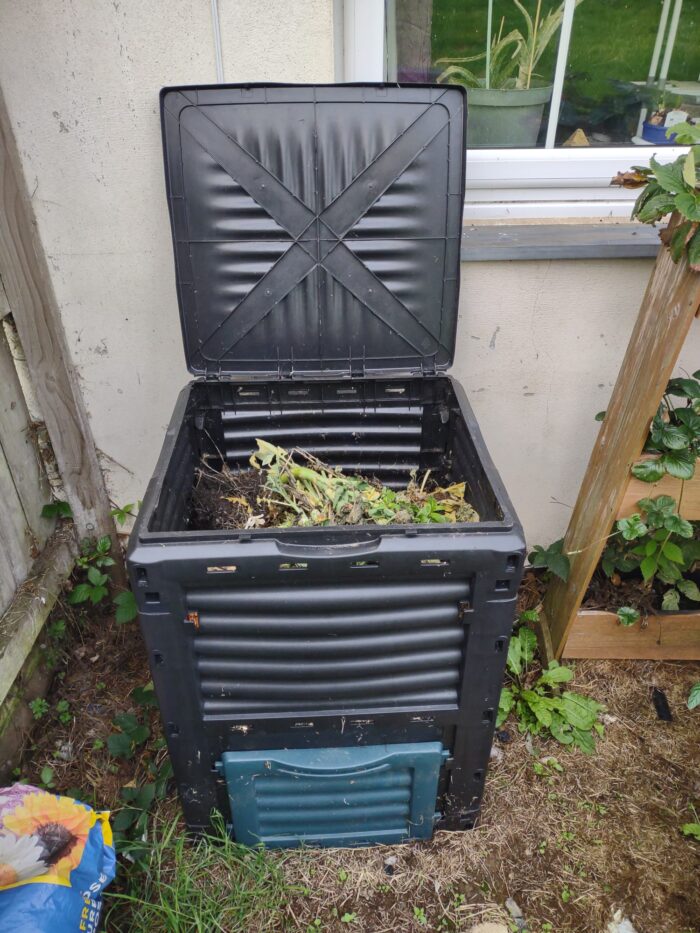
If you’ve been gardening for years, there’s a good chance you’ve already got a compost bin somewhere in the garden. If you haven’t, composting is one of the easiest ways to turn some of your garden and kitchen waste into something useful.
Here in Cornwall, our gardens can produce plenty of grass cuttings, leaves, weeds and other garden waste throughout the year. Instead of putting all of it in the bin, you can turn much of it into compost for the garden.
What can you put in a compost bin?
A home compost bin is quite forgiving, and you don’t need to make it complicated.
Good things to add include:
- Vegetable peelings and uncooked fruit and vegetable waste
- Grass cuttings
- Leaves
- Weeds that haven’t gone to seed
- Spent flowers and old plants
- Small amounts of hedge and plant trimmings
- Tea leaves and coffee grounds
- Crushed eggshells
- Torn-up cardboard and plain paper
- Small amounts of untreated sawdust or wood shavings
The trick is to have a mixture of wetter, greener material and drier material. Too much grass and other wet material can leave you with a soggy, smelly heap, while too much dry material can slow things down.
What shouldn’t go in your home compost?
This is where it’s important to make a distinction between home composting and Cornwall Council’s food waste collection.
Cooked food shouldn’t go into a normal home compost bin. Meat, fish, dairy products, cooked leftovers, rice and pasta are also best kept out.
But that doesn’t mean they have to go into your general rubbish.
Cornwall Council’s food waste collection is designed to take food waste that shouldn’t go into your home compost, including cooked food, meat, fish, dairy products, eggs, rice and pasta.
So, in simple terms:
Suitable garden waste and uncooked vegetable waste can go into your compost bin.
Cooked food and other food waste goes into your Cornwall Council food waste caddy.
It’s a simple way of reducing the amount of waste going into your general rubbish bin.
New to composting?
If you’ve never had a compost bin before, you don’t need to spend a fortune or buy anything complicated.
I’ve got one like this in my own garden and it does the job nicely.
If you’re just starting out, a basic bin is perfectly adequate. Find somewhere reasonably convenient in the garden, add the right materials and let nature get on with the work.
You don’t need to be constantly turning it or checking it.
What about grass cuttings?
Grass cuttings are excellent for compost, but there’s one thing worth remembering.
If you put a huge amount of fresh grass cuttings into the compost bin all at once, they can become wet and compacted. Mixing them with leaves, small twigs, cardboard or other drier material helps keep the compost more balanced.
There’s another use for grass cuttings that I’ve found particularly useful.
If you let the cuttings dry out first, they can make a useful mulch around plants. I use thin layers rather than putting a thick layer down all at once.
It costs nothing, and it can help the soil hold on to moisture during dry weather.
Don’t worry if your compost isn’t perfect
One of the nice things about composting is that you don’t have to get everything exactly right.
Your compost might sometimes look too wet, too dry or take longer than expected to break down. That’s normal.
Give it a little more dry material if it’s too wet, add some wetter material if it’s very dry, and turn it occasionally if you can.
Eventually you’ll end up with dark, crumbly compost that can go back onto the garden.
Composting is worth giving a go
Whether you’re an experienced gardener or you’ve only just started growing things, a compost bin is one of those simple additions that can become incredibly useful. I use my own compost every Spring in pots and on the garden.
You’re making use of waste that would otherwise be thrown away, producing something useful for your garden and reducing the amount going into your general rubbish.
And here in Cornwall, with our gardens producing plenty of material throughout the year, there’s certainly no shortage of things to put in it.
If you’ve never tried composting before, why not give it a go?
You might be surprised how much garden waste you can turn into something useful.
Discover more from Cornwall Home & Garden
Subscribe to get the latest posts sent to your email.