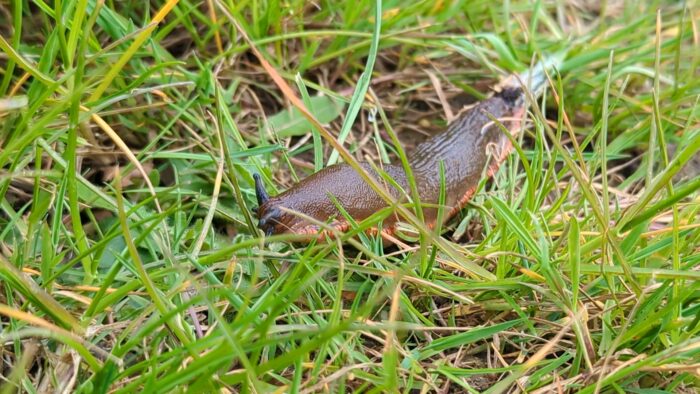
If you grow vegetables in Cornwall, there’s a fair chance you’ve experienced this.
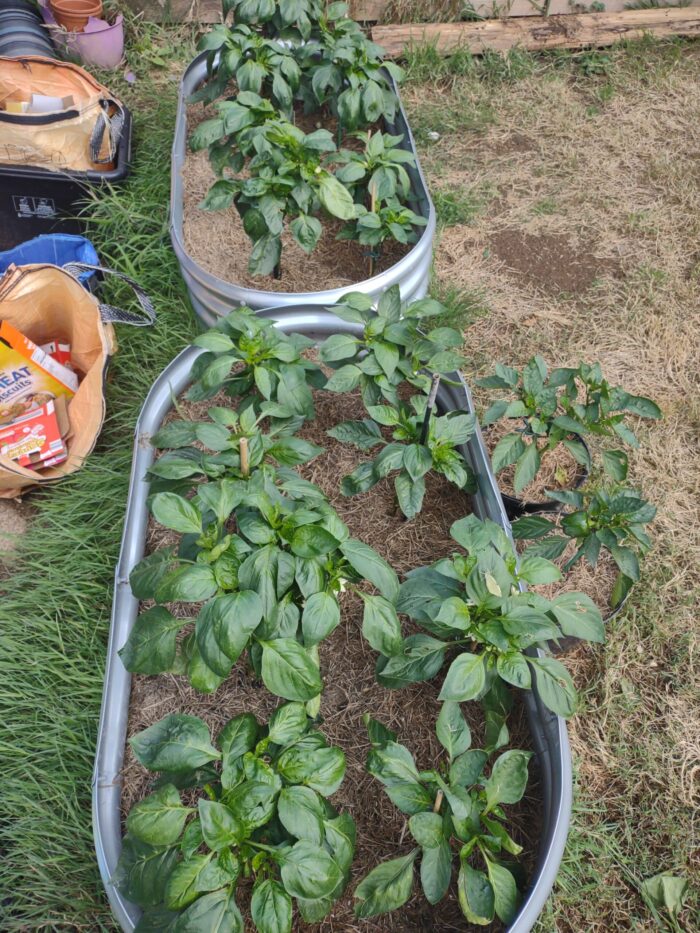
You go outside one morning to admire a row of young lettuces, beans or cabbages and discover that something has enjoyed breakfast before you have.
There are holes in the leaves, perhaps a silvery trail across the soil, and occasionally the culprit is still sitting there looking remarkably pleased with itself.
Slugs and snails love mild, damp conditions, which means our climate can suit them rather well. They are particularly active at night and during wet weather, exactly when many of us aren’t outside to catch them in the act.
But before we declare war on every slug in the garden, there’s something worth knowing.
Not All Slugs Are the Enemy
It might be difficult to believe when you’ve just lost half a lettuce, but slugs and snails have a useful role in the garden.
Many feed mainly on decaying plant material rather than your vegetables, helping to recycle organic matter. They’re also food for frogs, toads, birds, hedgehogs, slow-worms and ground beetles.
Only some species are serious plant eaters, with seedlings and soft young growth particularly vulnerable.
So rather than trying to eliminate every slug, we prefer a different approach at Cornwall Home & Garden: protect the plants that need protecting and let nature deal with as much of the rest as possible.
Water in the Morning
This is probably one of the simplest changes you can make.
Slugs are mainly active at night and need moisture to move around easily. Watering your garden in the evening creates lovely damp conditions just as they’re coming out for dinner.
Watering early in the morning gives the soil surface more opportunity to dry before nightfall.
The RHS specifically recommends morning rather than evening watering as a way of reducing slug and snail activity around vulnerable plants.
Give Young Plants a Fighting Chance
A large established cabbage can usually survive a bit of nibbling. A tiny seedling might disappear overnight.
Where possible, grow seedlings in pots or trays until they’re reasonably sturdy before planting them out.
Cloches can also give young plants some extra protection while they’re becoming established.
Reusable plant cloches can be particularly handy around individual young vegetable plants. (Amazon affiliate link)
One word of caution: cloches aren’t magical slug-proof force fields. They need to be used properly and ventilated, and the RHS notes that cloches have limitations as pest barriers.
Encourage the Animals That Eat Slugs
One of the best natural pest-control systems is already available free of charge.
Frogs, toads, birds, hedgehogs, slow-worms and ground beetles all eat slugs or snails.
A wildlife-friendly garden gives those natural predators somewhere to live, feed and shelter. A small pond can encourage frogs and toads, while less manicured corners and suitable habitats can support other useful garden wildlife.
Go Slug Hunting After Dark
Sometimes having a slightly untidy garden isn’t laziness.
It’s pest management. That’s my excuse anyway.
If slugs are attacking a particular vegetable bed, one of the simplest controls requires nothing more sophisticated than a torch and a container.
Go outside on a mild, damp evening and you’ll often find them around vulnerable plants.
They can simply be picked up and moved away from the plants you’re trying to protect. The RHS recommends torchlight searches and hand-picking as one method of targeted management, although some species have a surprisingly good homing instinct.
Gloves are optional, but personally we’d recommend them!
What About Eggshells, Grit and Copper?
This is where gardening folklore gets interesting.
You’ve probably heard that crushed eggshells, sharp grit, bark, wool pellets or copper tape will stop slugs crossing them.
Unfortunately, there’s not much reason to rely on them.
An RHS garden trial tested eggshells, pine bark, copper tape, horticultural grit and wool pellets around lettuces. After six weeks, the protected lettuces suffered no less damage than the unprotected ones.
That doesn’t mean somebody hasn’t had success with one of these methods in a particular situation. It simply means we wouldn’t recommend spending money on them expecting guaranteed protection.
What About Beer Traps?
Yes, they can catch slugs.
A container partly filled with beer and sunk near vulnerable plants is one traditional trap that the RHS still includes among its management options. Hollowed-out citrus or melon skins can also be used as traps.
But we’d use traps selectively around plants suffering serious damage rather than scattering them throughout the garden.
Biological Control Without Chemicals
For a serious slug problem, another option is nematodes.
These are microscopic organisms that are mixed with water and applied to the soil. Certain nematodes infect slugs and are sold specifically as a biological control.
They aren’t a chemical pesticide, but they’re still a control that kills slugs, including potentially species that aren’t damaging your plants. For that reason, the RHS recommends using them in a targeted way rather than routinely treating the whole garden.
What We Wouldn’t Use: Slug Pellets
We’re deliberately concentrating on natural and non-chemical approaches.
The RHS currently advises against slug pellets, including organic slug pellets, because of their potential negative effects on garden wildlife.
For us, protecting a few cabbages isn’t worth unnecessarily harming the wildlife that helps keep a garden healthy.
Learn to Live With a Few
Perhaps the biggest change is accepting that a completely slug-free garden isn’t realistic, especially somewhere with a mild and damp climate.
A few holes in an established plant aren’t necessarily a disaster.
Concentrate your efforts on seedlings, lettuces, hostas and other particularly vulnerable plants. Water in the morning, encourage natural predators, protect young plants and intervene when there’s genuine damage.
And if you find the occasional enormous slug happily living in the compost heap, leave him to it.
As long as he remembers where the restaurant ends and the vegetable garden begins. 🌱🐌
Discover more from Cornwall Home & Garden
Subscribe to get the latest posts sent to your email.