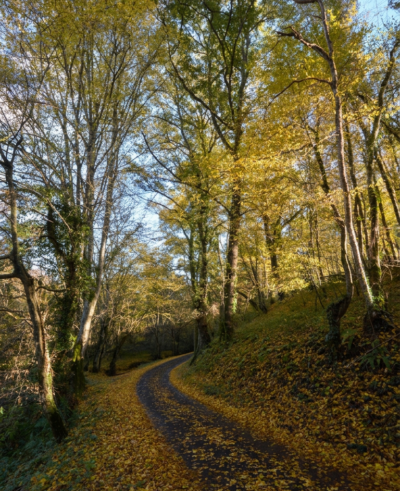
November might feel like the month when the garden starts winding down, but there is still plenty to keep us busy.
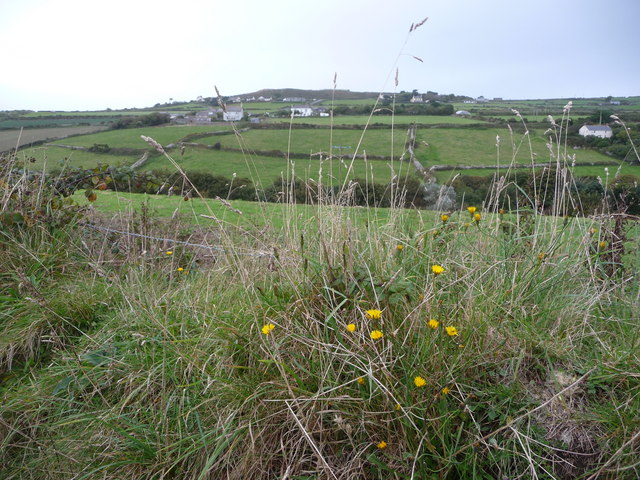
Here in Cornwall, our relatively mild maritime climate often gives us a little more gardening time than some other parts of the country. While colder inland gardens may already be experiencing regular frosts, many Cornish gardens can still benefit from planting, tidying and preparing for the months ahead.
Of course, Cornwall has its own challenges. Heavy rain, strong winds and exposed coastal gardens all need a little extra attention at this time of year.
So, before the winter weather really settles in, here are some useful jobs to tackle around the garden this November.
1. Plant bulbs, trees and shrubs
If you haven’t finished planting your spring bulbs, there’s still time.
Tulips are particularly suited to November planting, while daffodils, crocuses and snowdrops can also provide welcome colour when spring arrives.
November is also an excellent time to plant bare-root trees, hedging and shrubs. These are often cheaper than container-grown plants and establish well while dormant.
Fruit trees and bushes are worth considering too. Apples, pears, currants and gooseberries can all be planted during the dormant season.
A word of caution: avoid planting when the ground is frozen or waterlogged. In Cornwall, this is particularly important after prolonged rainfall.
2. Give your shrubs and trees some attention
November is a useful month for certain pruning jobs, but don’t be tempted to cut everything back simply because the growing season is over.
You can:
- Remove dead, damaged or diseased branches.
- Tidy deciduous hedges where appropriate.
- Prune rambling roses if they have finished flowering.
- Reduce the height of bush roses slightly to help prevent wind damage.
- Tie in climbing plants that could be damaged by strong winds.
Avoid pruning ornamental cherries, plums and other Prunus trees now, as autumn and winter pruning can increase the risk of silver leaf disease.
Some shrubs are better left until spring, so check before reaching for the secateurs.
3. Look after your lawn
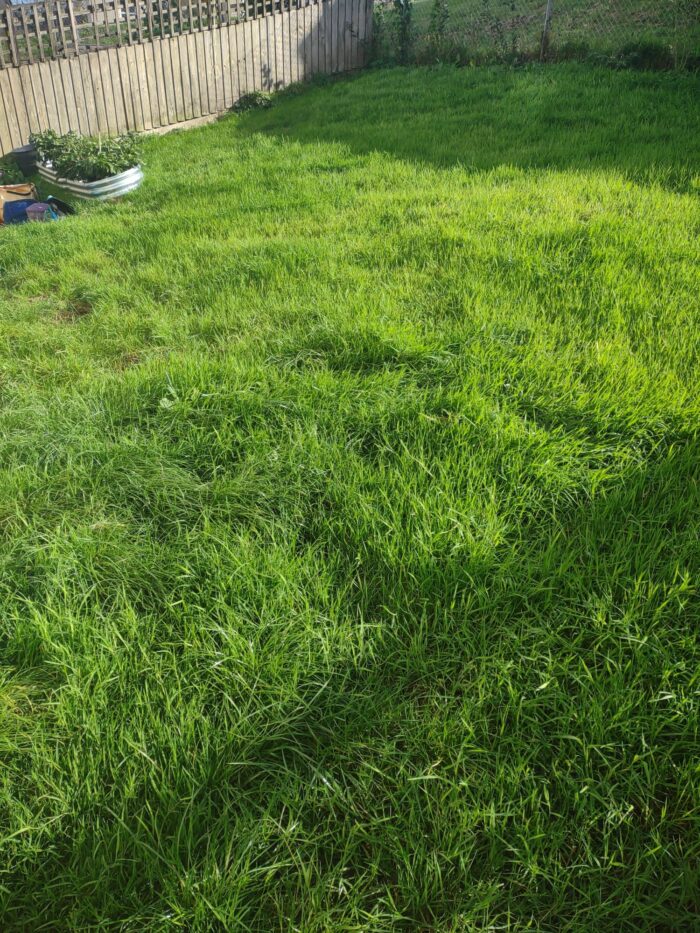
Our Cornish lawns can have a difficult time during winter, particularly where the ground is heavy or drainage is poor.
There are still a few jobs worth doing:
- Remove fallen leaves regularly so they don’t smother the grass.
- Give the lawn a final light cut if the grass is still growing and conditions allow.
- Raise the mower blades slightly rather than cutting too short.
- Avoid walking across waterlogged or frosty grass.
- Improve drainage where necessary, but only when the ground is suitable to work.
If you have areas that regularly become muddy, consider whether a stepping stone path might be better than repeatedly walking across the same patch of lawn.
Don’t force the issue with the mower. If the ground is wet, leave it until conditions improve.
4. Keep the vegetable garden productive
There’s no need to abandon the vegetable patch just because November has arrived.
Parsnips, leeks, Brussels sprouts and winter cabbages can all provide fresh produce through the colder months.
Parsnips are particularly worth leaving in the ground. Their flavour can improve after exposure to frost.
If you have empty beds, now is a good opportunity to prepare them for next year.
You can:
- Remove any diseased or unwanted plant material.
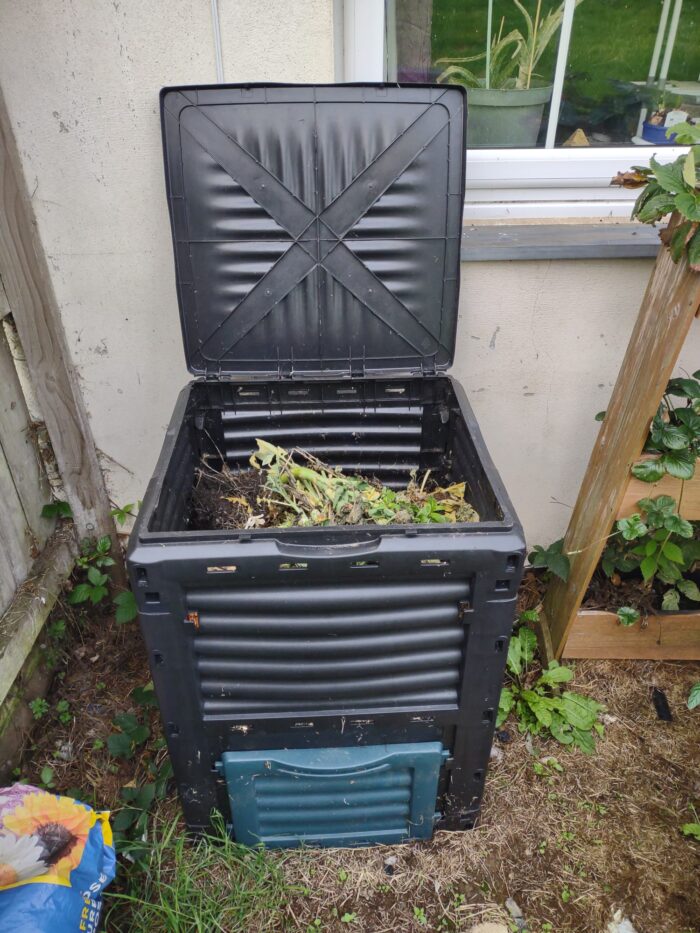
- Add well-rotted garden compost.
- Cover bare soil with cardboard and a layer of compost.
- Plant garlic in a sheltered, free-draining spot.
- Sow overwintering broad beans where conditions are suitable.
If you grow brassicas, keep an eye out for pigeons. They can make short work of an unprotected crop, so netting may be worthwhile.
5. Prepare pots and tender plants for winter
Strong winds and heavy rain can be just as troublesome as frost in Cornwall.
Terracotta pots can become vulnerable during freezing weather, while containers left standing in water may develop problems with their roots.
A few simple precautions can help:
- Raise pots slightly using pot feet to improve drainage.
- Move smaller containers into sheltered positions.
- Secure large pots so they cannot be blown over.
- Wrap vulnerable containers where necessary.
- Move tender plants into a greenhouse or sheltered area.
- Check plant supports and ties before winter storms arrive.
Plants such as cannas, dahlias and tender begonias may need lifting and storing once frost has damaged their foliage. In milder, sheltered Cornish gardens, some dahlias can survive in the ground with good protection, but this is not guaranteed.
6. Make the most of fallen leaves
There is usually no shortage of fallen leaves in November.
Rather than sending them all to the tip, put them to good use.
Collect leaves from lawns and paths and use them to make leaf mould. Simply place them in a wire cage or perforated bags and leave them to break down.
Leaf mould makes an excellent soil conditioner and can be particularly useful around established shrubs and woodland-style planting.
You don’t need to clear every leaf from every corner, either. A small pile tucked away behind a shed or hedge can provide shelter for insects and other garden wildlife.
Just keep paths, drains and lawns clear where thick, wet leaves could cause problems.
7. Give garden wildlife a helping hand
As the weather becomes colder, food and shelter become increasingly important for garden wildlife.
November is a good time to make a few small changes.
- Keep bird feeders topped up.
- Provide fresh water where possible.
- Leave some seed heads standing for birds.
- Avoid cutting every herbaceous perennial back.
- Leave undisturbed corners where insects can shelter.
- Check bonfires and piles of leaves carefully for wildlife before disturbing them.
A garden doesn’t need to look perfectly tidy throughout winter. Leaving a little natural cover can make a real difference to the wildlife that visits.
8. Check the garden before the winter storms
Anyone who has spent a few winters in Cornwall knows that strong winds can arrive with very little warning.
November is a sensible time to walk around the garden and check that everything is secure.
Look at:
- Fences and gates.
- Greenhouses and shed doors.
- Climbing plants and trellises.
- Young trees and their supports.
- Hanging baskets and lightweight containers.
- Drains and gutters.
Pay particular attention to exposed gardens and properties close to the coast.
A little preparation now could save a lot of clearing up after the next big storm.
A little time now makes a difference in spring
November isn’t a month for putting the garden completely to bed.
There is still planting to do, vegetables to harvest, leaves to collect and plenty of preparation for the months ahead.
Cornwall’s relatively mild conditions give many gardeners opportunities to keep going, although local conditions can vary considerably between sheltered coastal gardens and more exposed or inland locations.
The trick is to work with the weather rather than against it. Make the most of the dry days, avoid working wet soil and don’t feel that every fallen leaf or faded flower needs removing.
And remember, a little preparation now can make all the difference when the garden starts waking up again next spring.
Happy gardening! Ken
Discover more from Cornwall Home & Garden
Subscribe to get the latest posts sent to your email.