Rats are already becoming a problem in some Cornwall gardens, and if you have a shed or decking with a gap underneath, it’s worth checking what is going on before you end up with unwanted tenants.
Our neighbours have rats under their shed and decking, which is one reason we chose a heavy metal shed for our own garden. Ours sits on a concrete base, but even then you can’t assume rats will simply give up.
Rats are surprisingly determined animals. They can dig and tunnel if they find somewhere sheltered that gives them access to food, water or somewhere suitable to nest.
Why do rats like sheds and decking?
A space underneath a shed or decking can make an ideal hiding place.
It’s sheltered from the weather, relatively undisturbed and can provide somewhere for rats to nest during the day before they come out looking for food.
Decking can be particularly attractive because there may be a large enclosed space underneath that is difficult to see or reach.
Sheds can have similar problems if there is a gap around the base.
Once rats discover somewhere suitable, they may settle in and keep coming back.
Look for the signs
You may not actually see a rat.
Instead, look for signs that something has been using the area.
These can include:
- Holes or tunnels appearing around the edge of a shed or decking
- Droppings
- Gnaw marks
- Burrows in soil
- Disturbed earth
- Greasy marks where rats repeatedly travel along a route
- Scratching or movement underneath a shed or decking
If you notice fresh holes appearing around your shed, don’t automatically assume they’re harmless.
Don’t give them an easy food source
One of the best ways of making your garden less attractive to rats is to think about where food is coming from.
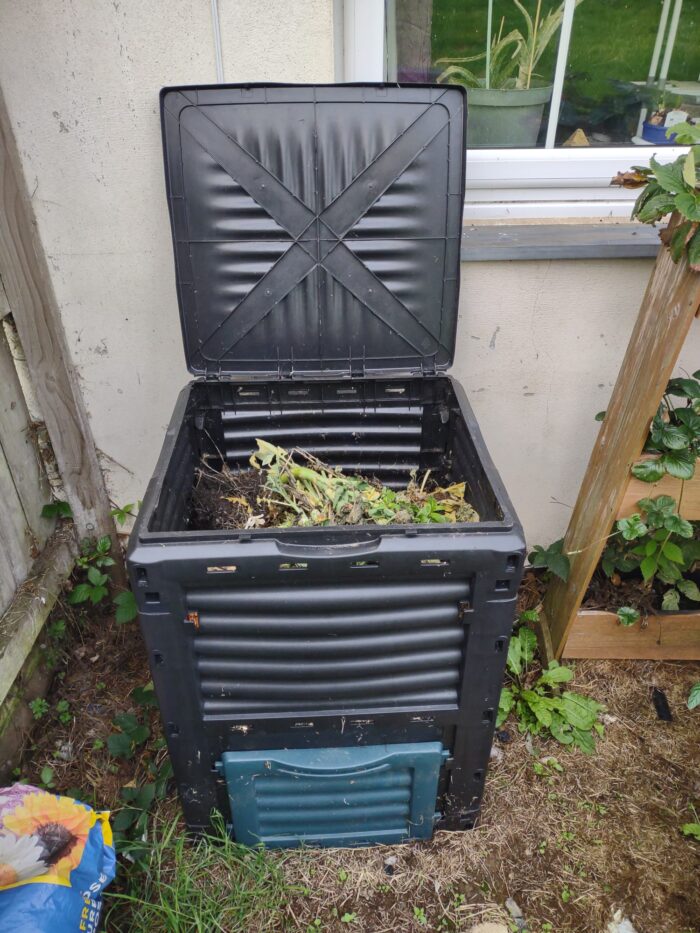
Bird feeders can sometimes result in food being scattered onto the ground, and compost bins can also attract rats if unsuitable food is being added.
This is another reason to keep cooked food, meat and other unsuitable food waste out of a normal home compost bin.
Cornwall Council’s food waste collection provides a much better option for food waste that shouldn’t be composted at home.
Pet food should also be kept somewhere rats can’t easily get to it, particularly overnight.
Check underneath sheds and decking
If you already have decking or a shed with a gap underneath, have a look around the edges.
You don’t necessarily need to crawl underneath it. Look for freshly disturbed soil, holes and signs of regular movement.
If you find a hole, don’t simply fill it in straight away.
If a rat is already using the tunnel, blocking the entrance may just encourage it to dig another way out, or worse, leave an animal trapped underneath.
It’s better to establish whether the area is being used before sealing access.
Rats can tunnel surprisingly well
This is something I’ve become more aware of because of what has happened near us.
Our own heavy metal shed is sitting on a concrete base, but our neighbours have still had rats under their shed and decking.
Rats are determined diggers, so simply putting something heavy on the ground isn’t always enough if there is soil around the edges that they can work their way through.
That means prevention isn’t just about the shed itself. It’s also about the ground around it and anything nearby that could provide food or shelter.
What if you already have rats?
If you’ve established that rats are already using the area, you may need to deal with the existing problem before you can make the area secure.
Personally, I’d much rather use a humane trap than put poison down in a garden. I’ve actually used one myself, and it worked. Once I caught the rat, I was able to repatriate it to a farmer’s field a long way away from the houses and gardens. I know that won’t be everyone’s approach, but for me it was a much better option than using poison and leaving the animal to die somewhere underneath a shed or decking.
Poison can create problems for other animals if it isn’t used correctly, and there is also the unpleasant possibility of a poisoned rat dying somewhere underneath a shed or decking where you can’t reach it.
A humane trap can give you another option.
If you need one, I found this twin pack of humane traps:
See the twin pack of humane rat traps
Always follow the manufacturer’s instructions and check traps regularly. The important thing is that trapping should be done responsibly and with the welfare of the animal in mind.
Prevention is easier than removing them
The best solution is always to make your garden less attractive to rats in the first place.
Keep food sources under control, don’t leave pet food outside overnight, make sure compost bins are being used correctly and keep an eye on sheltered areas around sheds and decking.
If you’re planning a new shed or decking, think about what is going to happen underneath it before you build.
A little planning at the start can make life much easier later.
Keep an eye on your garden
You don’t need to spend your time worrying about rats.
Just keep an eye out for the signs.
If you spot fresh holes appearing around a shed, decking or other sheltered area, investigate before the problem gets established.
Rats are determined animals, and once they’ve found somewhere they like, getting them to leave can be much harder than stopping them getting in in the first place.
Discover more from Cornwall Home & Garden
Subscribe to get the latest posts sent to your email.