Cornwall and drought aren’t two words you’d normally expect to find in the same sentence.
We’re rather better known for rain coming sideways, damp washing and wondering whether summer happened while we are pottering in the garden.
But when we do get a prolonged spell of hot, dry weather, our gardens can feel it surprisingly quickly. Pots dry out, vegetable beds start looking sorry for themselves and newly planted shrubs suddenly decide they’re not enjoying summer quite as much as we are.
The good news is that you don’t need to spend all day standing in the garden with a hosepipe. Especially if you are on a water meter.
A few simple changes can make a huge difference.
Water Less Often, But Water Properly
It sounds odd, but watering every plant every day isn’t necessarily the best approach.
A quick sprinkle wets the surface of the soil but may not reach the roots underneath. It can also encourage plants to develop shallow roots close to the surface, where the soil dries out fastest.
Instead, give established plants a good, thorough watering less frequently.
The aim is to get water deeper into the soil where the roots can reach it.
Young plants, seedlings, vegetables and containers will still need checking much more regularly, particularly during very hot weather.
Water in the Morning or Evening
Morning is best if possible, evening makes it too easy for slugs and snails to move about.
Try not to water the garden during the hottest part of the day.
Some of that precious water will simply evaporate before the plants get much benefit from it.
Early morning is ideal. If that’s not practical, evening watering is still better than watering during the hottest part of the day.
Water around the base of the plant rather than showering the leaves.
The roots are the thirsty bit.
Mulch – And Don’t Throw Away Those Grass Cuttings
If there’s one simple trick worth remembering during dry weather, it’s mulch.
A layer over the soil helps reduce evaporation, keeps roots cooler and suppresses weeds that would otherwise compete with your plants for water.
And you don’t necessarily need to buy anything.
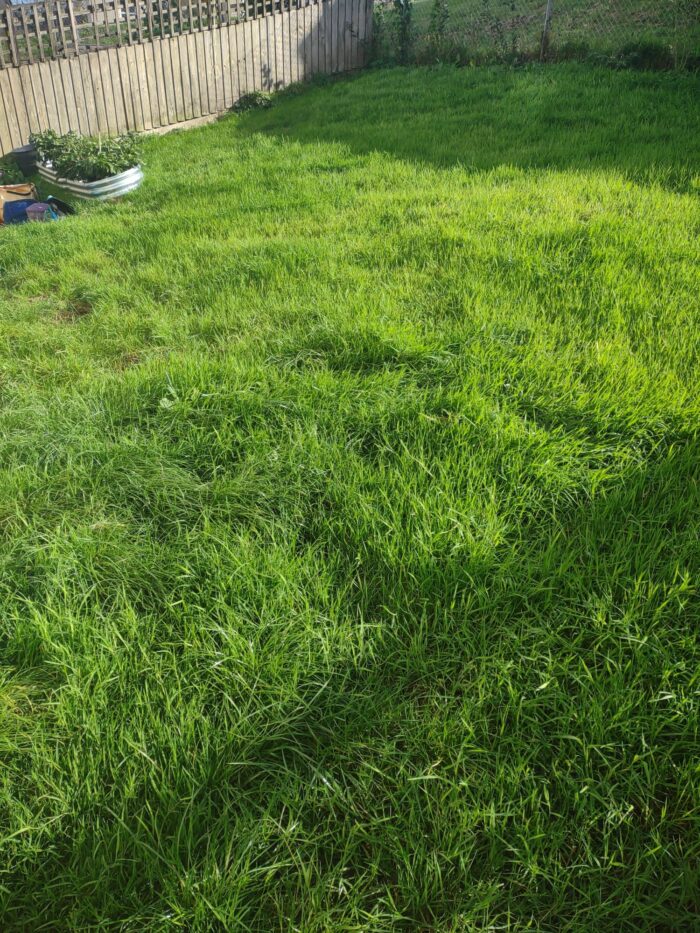
Fresh grass cuttings can make a useful mulch around established plants and vegetables. Spread them in a relatively thin layer around the soil rather than dumping them in a great wet heap, and keep them away from direct contact with plant stems.
As the grass begins to break down, you can add another light layer.
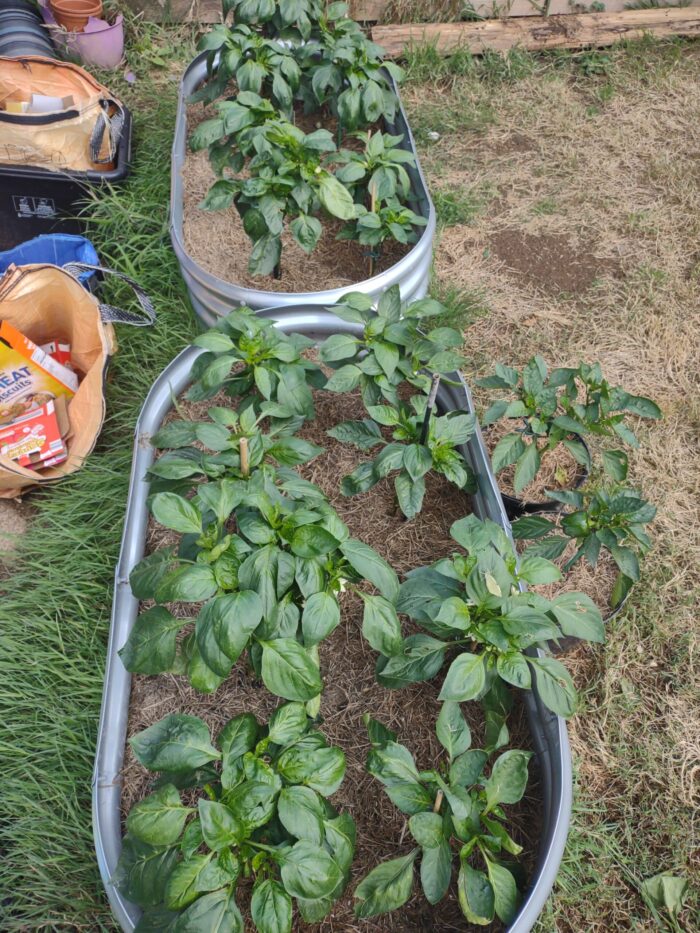
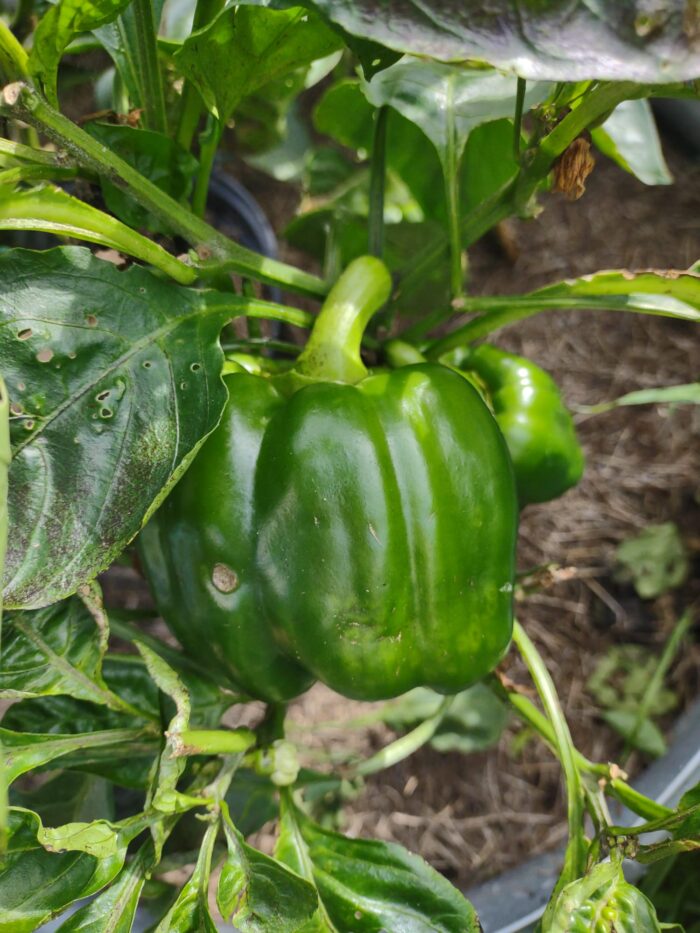
I did this in the summer and my peppers grew very big and healthy outside.
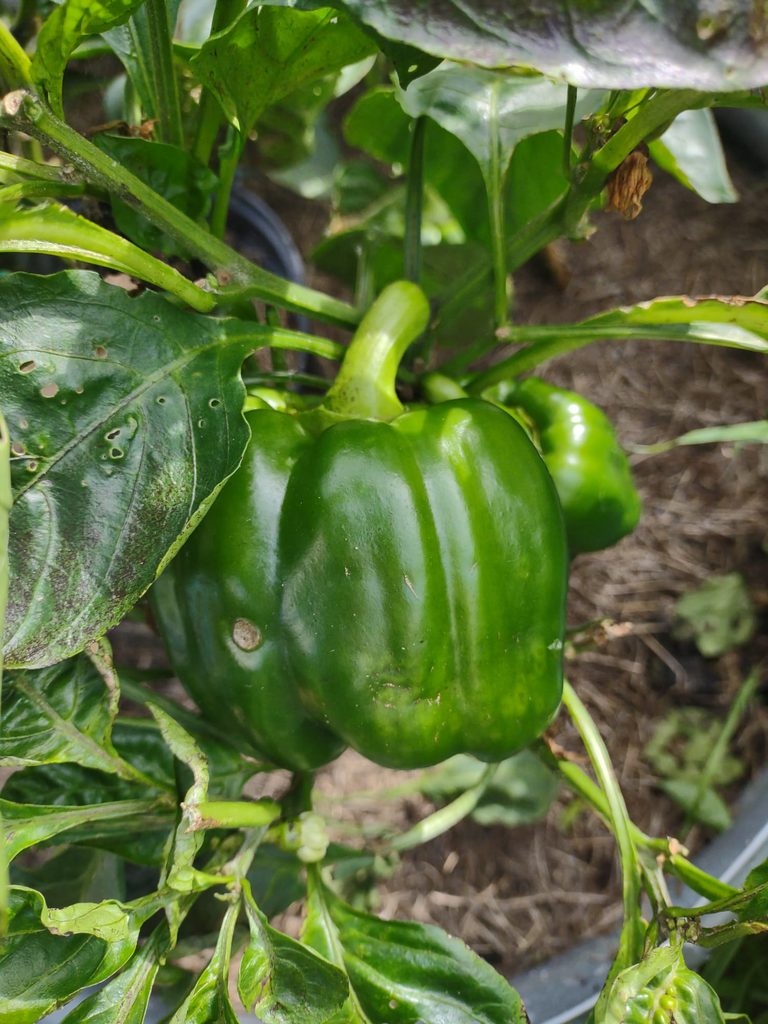
Our outdoor peppers after using grass cuttings as mulch during the hosepipe ban.
Just avoid using clippings from a lawn that’s recently been treated with weedkiller or other lawn chemicals, and don’t use grass containing lots of weed seeds.
You can also mulch with:
- garden compost
- well-rotted manure
- bark or wood chippings
- leaf mould
Give the ground a decent watering first and then add your mulch. There’s not much point putting a lovely protective blanket over soil that’s already bone dry.
What If There’s a Hosepipe Ban?
This is when all that preparation really starts to pay off.
During prolonged dry weather, water companies can introduce restrictions on using hosepipes and similar equipment. Exactly what is prohibited — and what exemptions apply — depends on the restrictions in force at the time, so check your water company’s current rules rather than relying on something you read last summer.
A hosepipe ban doesn’t necessarily mean abandoning the garden.
A watering can can become your best friend. Concentrate the available water directly around the roots of the plants that need it most rather than trying to water the entire garden.
Prioritise:
- vegetables and fruit
- containers and hanging baskets
- seedlings and young plants
- newly planted trees and shrubs
- plants showing genuine signs of drought stress
Established lawns can generally go to the back of the queue.
This is also where water butts really earn their keep. Collecting rainwater when it’s plentiful gives you a useful reserve when mains water is under pressure.
And if carrying watering cans around the garden isn’t practical for you, check the rules carefully. Some restrictions can include exemptions or alternative arrangements in particular circumstances.
Don’t Forget Your Pots
Containers can become little ovens during prolonged hot weather.
Unlike plants growing in the ground, their roots only have a small amount of compost to draw moisture from.
Check pots every day during particularly hot spells.
Moving vulnerable containers into afternoon shade can help enormously, and grouping pots together can reduce their exposure to drying wind and sunshine.
Larger pots generally retain moisture better than tiny ones too.
Give Vegetables Priority
If water becomes scarce, don’t try to keep absolutely everything looking immaculate.
Your vegetable patch is a sensible place to concentrate your efforts.
Tomatoes, cucumbers, courgettes, beans and other productive plants can suffer badly if they’re repeatedly allowed to dry out.
Tomatoes particularly appreciate consistent watering. Going from very dry soil to soaking wet soil repeatedly can contribute to problems such as split fruit.
Water around the roots and keep the soil reasonably consistent rather than alternating between desert and swamp.
Young Plants Need a Helping Hand
An established shrub or tree with a good root system can search a surprisingly large area for moisture.
Something you planted three weeks ago can’t.
New trees, shrubs and perennials should therefore be near the top of your watering list.
Give them a thorough soak around the root area rather than a quick splash.
And don’t assume a brief shower has done the job. Sometimes rain barely penetrates the first few centimetres of dry soil.
Save Rain When We’ve Got It
This is Cornwall. Eventually, it’ll rain.
When it does, we might as well keep some of it.
A water butt connected to a shed, greenhouse or house downpipe can collect a surprising amount of water from a decent downpour.
If you’ve got room for more than one water butt, they can often be linked together.
Have a look at this water butt on Amazon
This is an affiliate link. If you buy something through it, we may earn a small commission at no extra cost to you, which pays the bills and keeps this free.
Think of it as putting a little bit of Cornwall’s winter aside for summer.
Don’t Waste Water on the Lawn
A brown lawn can look alarming, but established grass is tougher than it appears.
During drought, grass naturally goes dormant and turns brown to conserve energy. In many cases it will green up again when rain returns.
So unless you’ve recently laid turf or sown a new lawn, your flowers, vegetables and young plants are generally a much better use of limited water.
You can also raise the mower blades slightly during dry weather. Longer grass provides a little more shade to the soil underneath.
And of course, those grass cuttings can go straight back into the garden as mulch rather than being thrown away.
Hold Back on the Fertiliser
When plants are struggling with drought, encouraging lots of fresh growth isn’t necessarily helpful.
New growth needs water.
During severe dry spells, concentrate on keeping plants healthy rather than trying to push them into producing masses of new leaves and flowers.
Once normal weather returns, you can get back to spoiling them.
A Little Shade Can Go a Long Way
Temporary shade can save vulnerable plants during exceptionally hot weather.
Shade netting, horticultural fleece positioned above plants, a parasol or even moving pots behind taller plants can provide some welcome relief from intense afternoon sunshine.
You don’t need to turn the garden into a campsite.
Sometimes just taking the edge off the hottest few hours is enough.
Choose Some Drought-Tolerant Plants Too
If dry summers become something we have to deal with more often, it makes sense to include plants that aren’t constantly demanding a drink.
Lavender, rosemary, thyme, sedum, verbena and many ornamental grasses cope well with relatively dry conditions once established.
That doesn’t mean ripping up the garden and replacing everything.
Mixing a few tougher plants amongst thirstier favourites simply makes the garden easier to manage.
Before You Go Away
If you’re heading off for a few days during hot weather, give containers and vulnerable plants a thorough watering before you leave.
Move pots into a slightly shadier position and group them together.
For longer trips, asking a neighbour to water the tomatoes might be worth considerably more than bringing them back a fridge magnet.
Don’t Panic When Things Look a Bit Sorry
Plants are remarkably resilient.
Leaves may droop during the hottest part of the afternoon and recover as temperatures fall. Lawns turn brown. Some plants stop flowering temporarily.
It doesn’t necessarily mean the garden is dying.
Concentrate your water where it will make the biggest difference: vegetables, containers, young plants and anything newly planted.
And when the Cornwall rain inevitably returns, we’ll probably all be complaining about that instead.
Gardening wouldn’t be gardening if the weather ever did exactly what we wanted.
Discover more from Cornwall Home & Garden
Subscribe to get the latest posts sent to your email.